
How Long Should a Roof Last? What Affects Its Lifespan and When to Start Planning
Updated: May 6

If you own a home, you probably don't spend much time thinking about your roof — until something goes wrong. But here's the reality: your roof has a lifespan. Knowing that lifespan and understanding what affects it can save you thousands in unexpected repairs and help you plan major expenses before they become emergencies.
So how long should a roof last? The honest answer is: it depends. But we can walk you through the factors that matter.
Material Type Sets the Baseline
The type of roofing material you have is the primary factor in lifespan. Asphalt shingles, the most common residential roofing material in the U.S., typically last 15 to 20 years with good maintenance. Metal roofing is more durable, often lasting 40 to 70 years. Wood or cedar shakes can last 20 to 40 years but require more frequent maintenance. Slate and tile are among the most durable options, potentially lasting 50 to 100+ years — though they come with higher upfront costs.
The material itself doesn't tell the whole story, though. Quality matters. A premium asphalt shingle will likely outlast a budget-grade shingle by several years, even under the same conditions.
Climate and Weather Exposure Are Major Factors
Where you live affects how quickly your roof ages. Homes in climates with extreme heat, heavy snow, frequent hail, or constant moisture face faster deterioration. In areas prone to intense UV exposure, shingles can become brittle and lose their granules more quickly. Homes in humid climates may develop algae or moss growth, which accelerates decay if left unchecked.
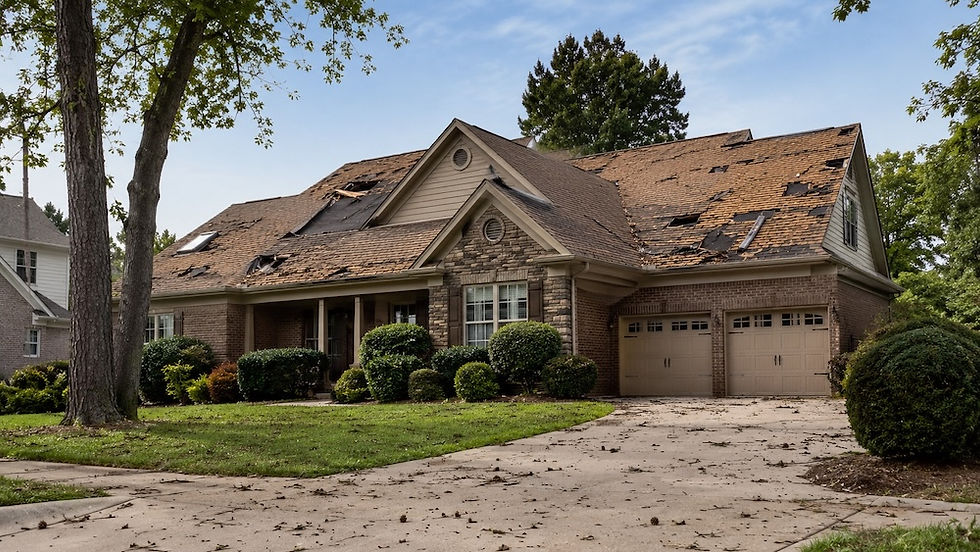
If you've recently had a major storm — hail, wind, fallen trees — your roof may have sustained damage that shortens its remaining lifespan significantly. That's why inspections after severe weather are so important.
Maintenance Makes a Real Difference
Regular maintenance can add years to your roof. This includes keeping gutters clean, removing debris, trimming overhanging branches, and addressing small repairs before they become major problems. A roof that's neglected — clogged gutters, moss growth, standing water — will fail faster than a roof that receives basic care.
Annual or bi-annual inspections are one of the best investments you can make. A trained eye can catch early signs of wear, flashing issues, or damage that might otherwise go unnoticed until a leak appears inside your home.
When to Start Planning for Replacement
As your roof approaches 15 years old (or the typical lifespan of your material type), start monitoring its condition more closely. You don't need to replace it immediately once it hits that age, but be aware that major repairs or full replacement could be on the horizon.
Warning signs that replacement is likely coming include: curling or missing shingles, granule loss (gritty buildup in gutters), visible leaks, sagging areas, or widespread moss or algae. If you see multiple signs, get an inspection. It's better to plan replacement on your timeline than to have it forced on you by a sudden failure.
Budget Planning: Start Early
Roof replacement isn't inexpensive, which is why knowing your roof's likely lifespan helps with financial planning. If your roof is 12 years old and built with standard asphalt shingles, you have a window of 3 to 8 years to plan and budget for replacement. That gives you time to save, explore financing options, or make it part of a larger home improvement plan.
Don't wait until your roof fails. Emergency repairs are expensive, and a failing roof can cause secondary damage to insulation, framing, and interior spaces — costs that multiply quickly.
The best time to think about your roof is before you need an emergency repair. If you're unsure about your roof's age or condition, a professional inspection is the safest first step. We can assess the current state of your roof, estimate remaining lifespan, and help you plan the right time for maintenance, repair, or replacement.
Ready to get answers? Contact us today for a free roof inspection and expert guidance on your roof's future.

Comments